THE MARIST’S READING CAFE WITH AUTHOR FIONA BARKER
Spearheaded by author and writer-in-residence, Fiona Barker, The Marist held a successful reading café event to introduce their new Books That Help to children and families.
Fiona Barker:I work as a writer in residence at The Marist School in Sunninghill. It is a private girls’ school with a mixed nursery intake. I work in the pre-prep and prep phases and visit 3-4 times a term to promote reading and writing for pleasure. From the outset, the aim has been to encourage book talk and create a buzz around books in school.
When I began working at the school in 2022, it already had an excellent, well-stocked library but no permanent librarian. The library was run by one of the teachers who took it on as an additional responsibility. Access was necessarily limited due to her other teaching duties but there were junior pupil reading champions who were able to help out. Each classroom also has their own reading corner.
My visits to the school focused around the library initially and I tried to run as many workshops in that space rather than in classrooms to encourage engagement and to make pupils feel like it was an accessible space for them.
I work with pupils in class or year groups around structured topics. Thus far we have had years focused on story structure, non-fiction, poetry and using images in story-telling. We have also run a literary festival each year where pupils from The Marist and surrounding schools have had the chance to meet and interact with authors and illustrators and celebrate their love of books with them. Each class has also created reading diaries and teachers are encouraged to share their own reading with ‘I am reading…’ posters prominently displayed on classroom doors and in corridors. We have had mystery readers in assembly including teachers, parents and visitors from outside school. In reception and KS1 children have a chance to vote from a choice of two on which book they would like to read at story time. Older pupils often have the opportunity to read to younger book buddies. The school now subscribes to Reading Rocks and the regular book deliveries are eagerly anticipated.
My work from nursery up to year 6 is strongly focused around picture books as an accessible way to approach story structure and visual storytelling and empathy. This is enthusiastically embraced by all teachers and year groups. Pupils have been involved in book launches and have had the opportunity to see the whole publishing journey from idea to finished product. There is lots of informal book chat in corridors and classrooms. When I visit, pupils are eager to share what they have been reading and enjoying.
The library is now a warm and welcoming centre of school life, used for homework clubs, as an extra workspace and for special events such as ‘Book and biscuit’ pop ups as well as its primary library function.
One area that we have struggled with is parent engagement. We tried an evening book club to share and discuss recent books for children in reception, KS1 and KS2 for parents and teachers but this was not well attended.
Using the COM-B model of behaviour change and behaviour change wheel, an analysis of barriers and facilitators for parent involvement in engaging with school initiative around reading for pleasure indicated that motivation was high but capability in terms of knowledge of the benefits of reading for pleasure and the potential role of picture books in particular might be an issue along with opportunity in terms of timing and fitting in time to access events. We were excited, therefore, to hear about the well-being resource packs from Reading Rocks and Books That Help. We hoped this might be a way to relaunch our outreach message and engage parents.
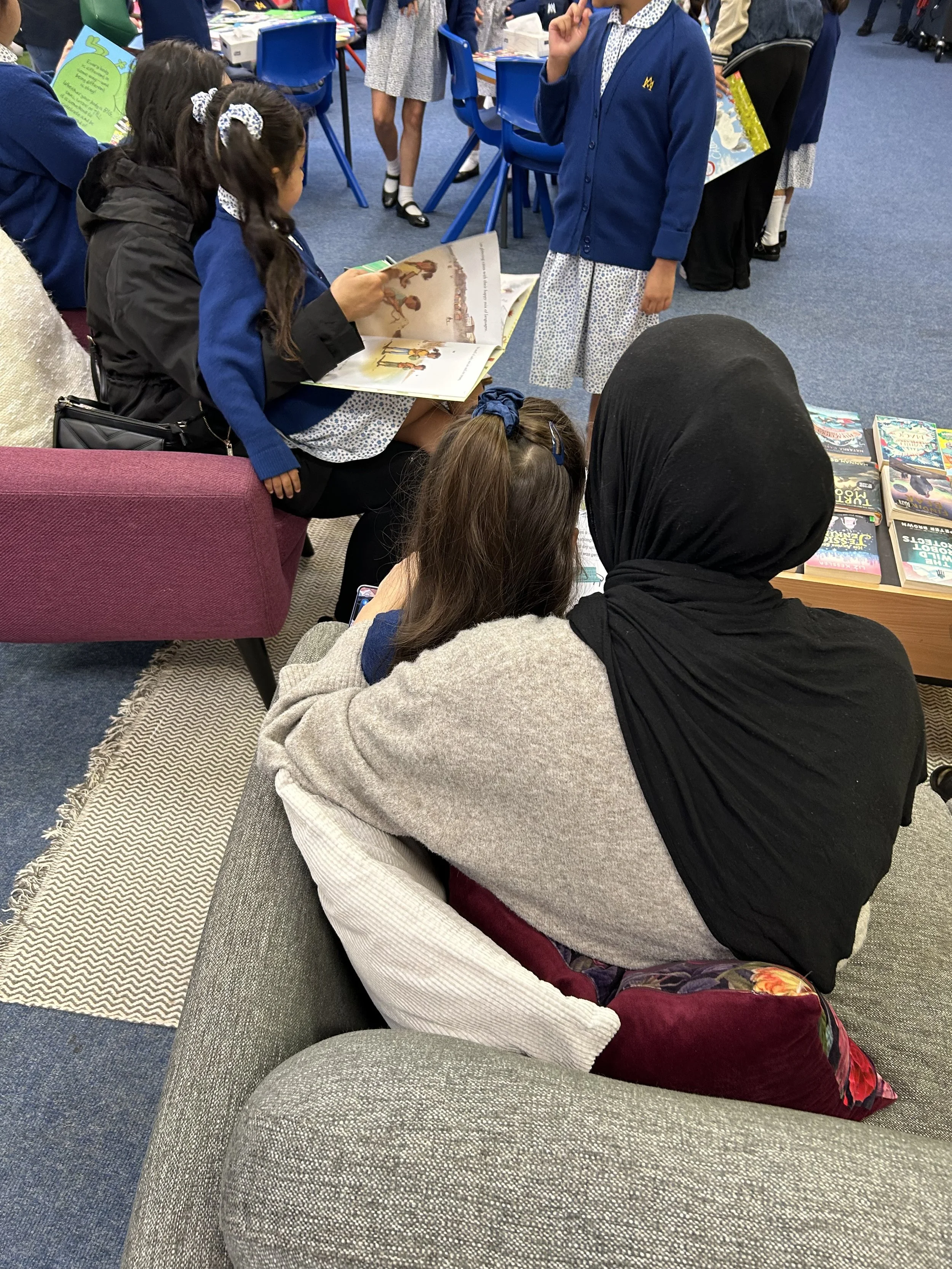
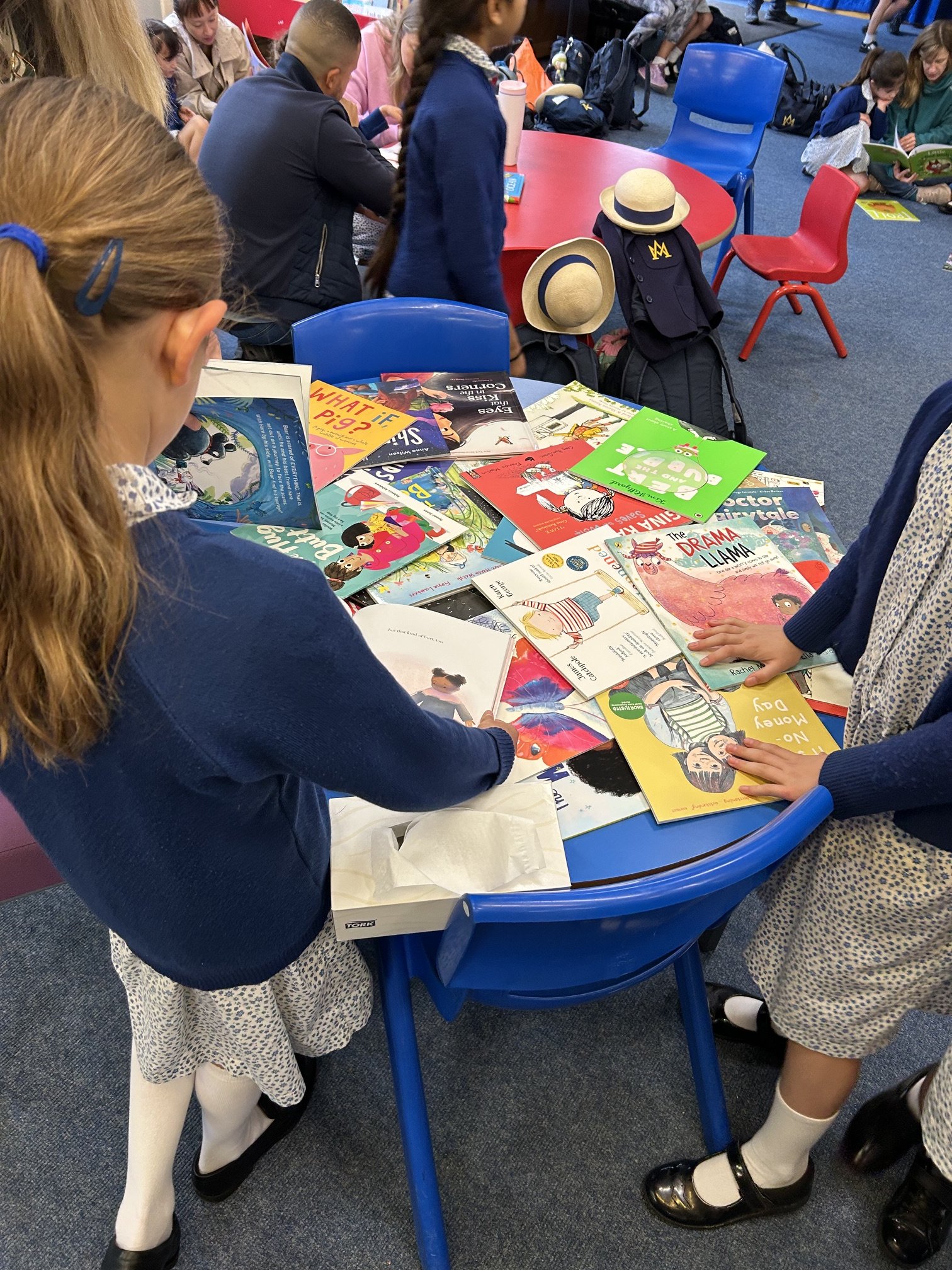
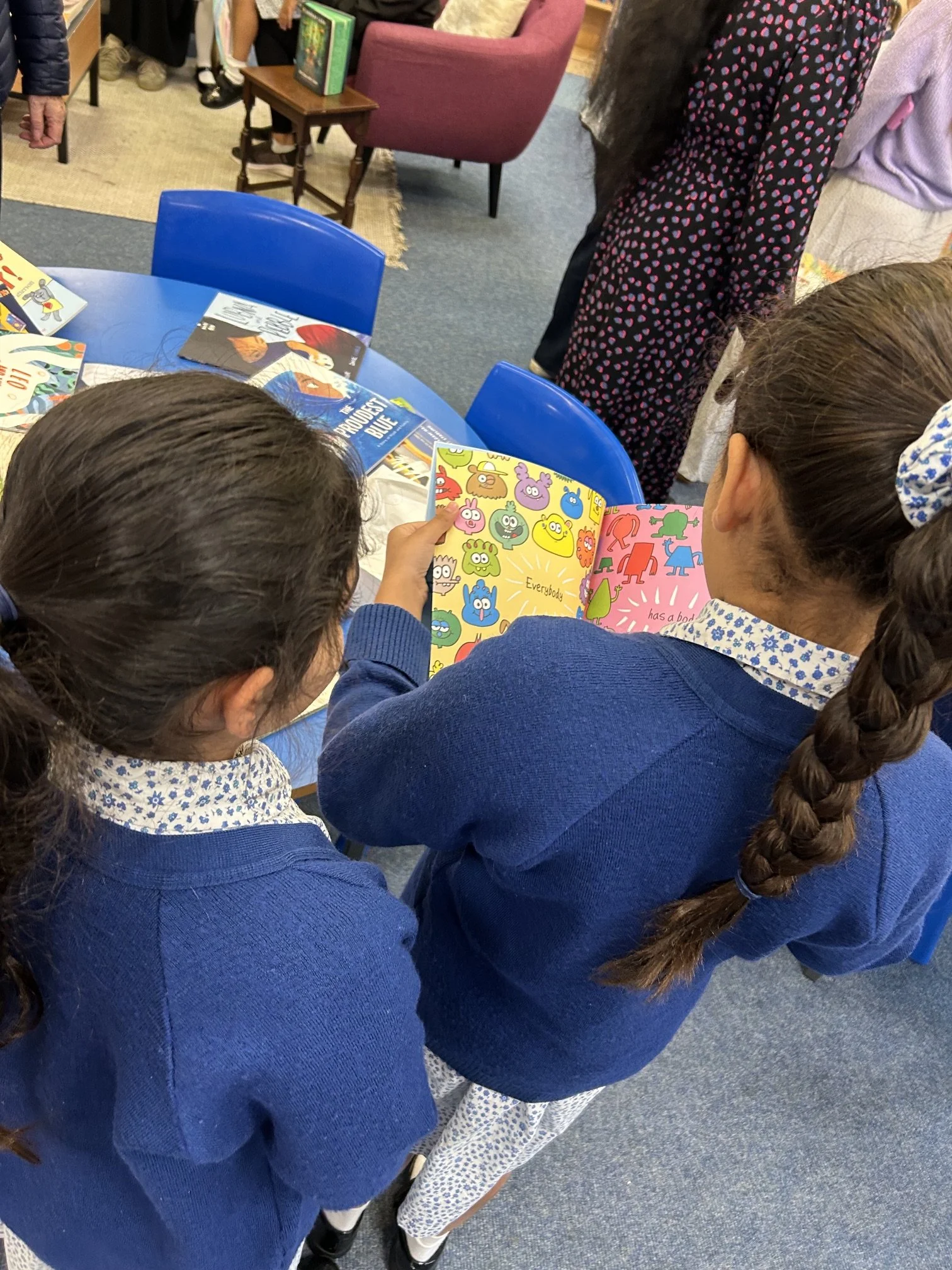
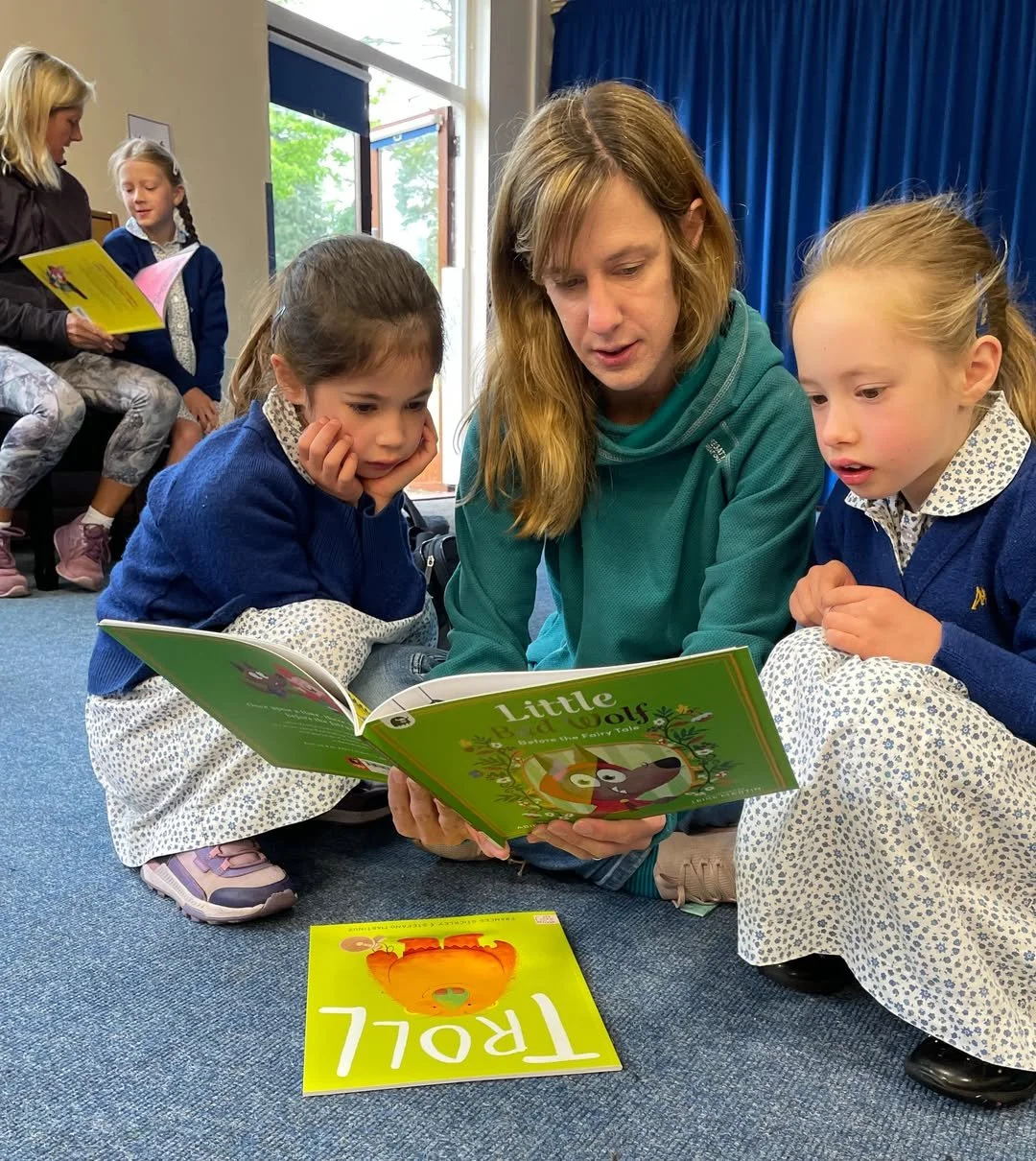
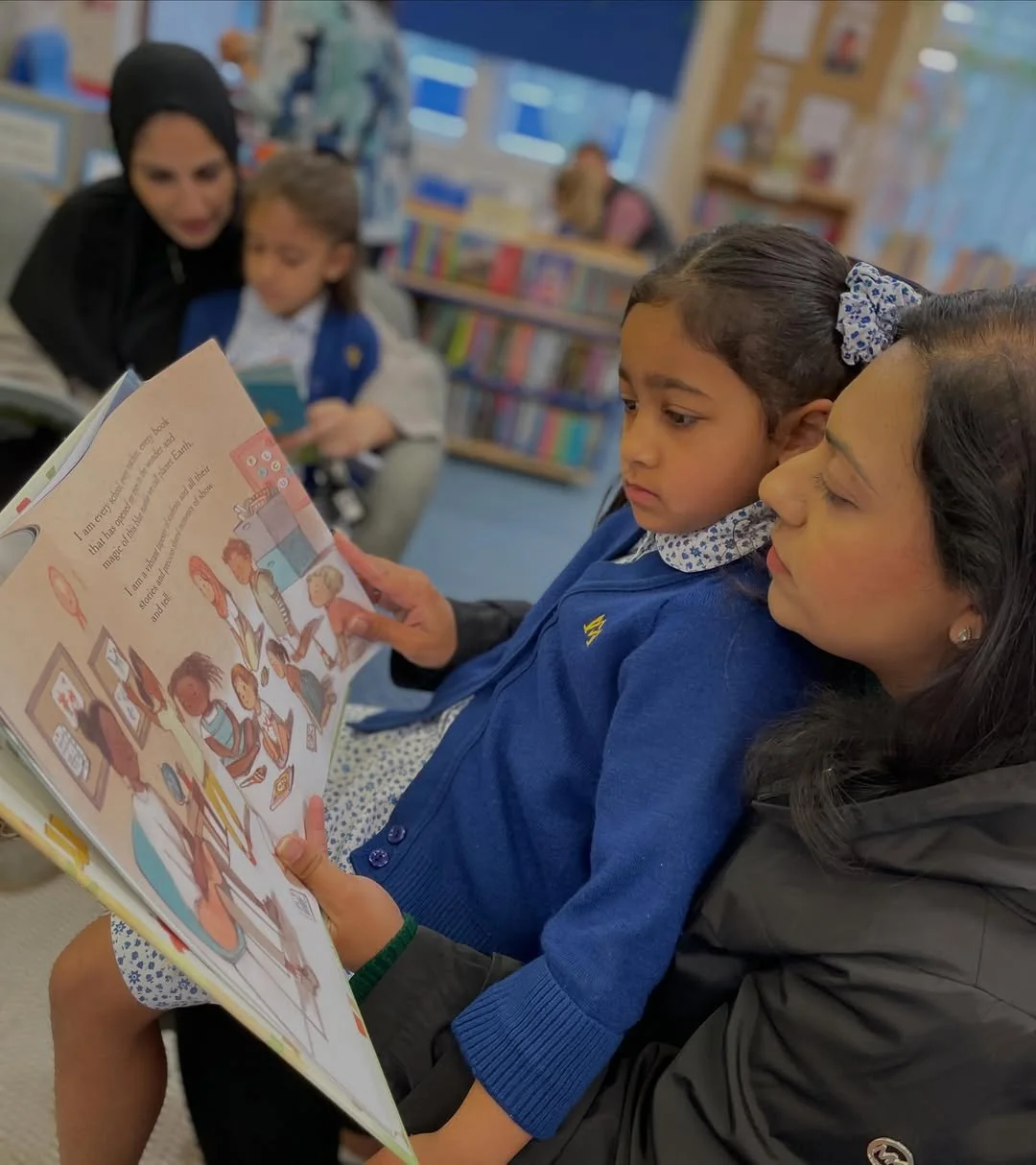
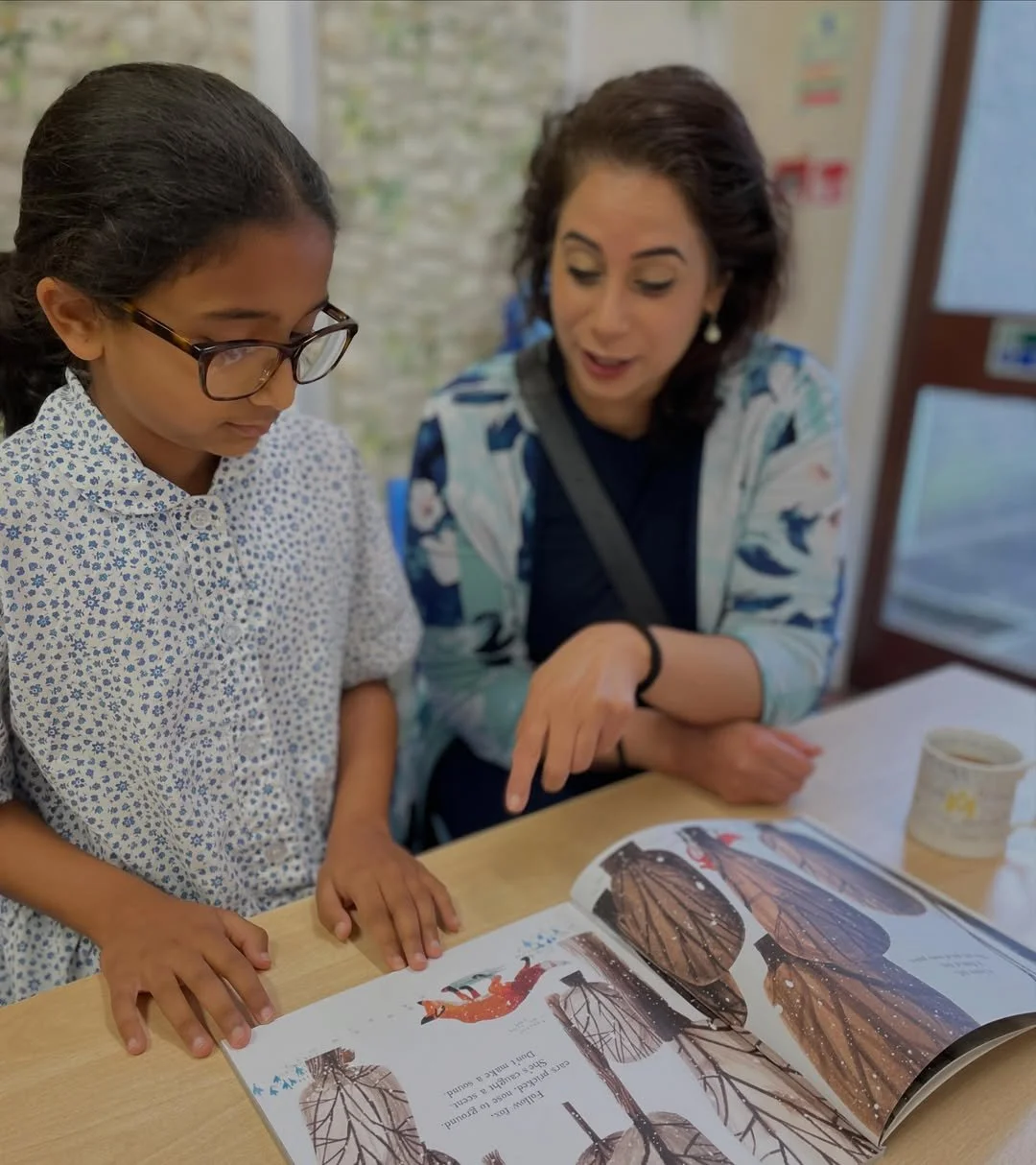
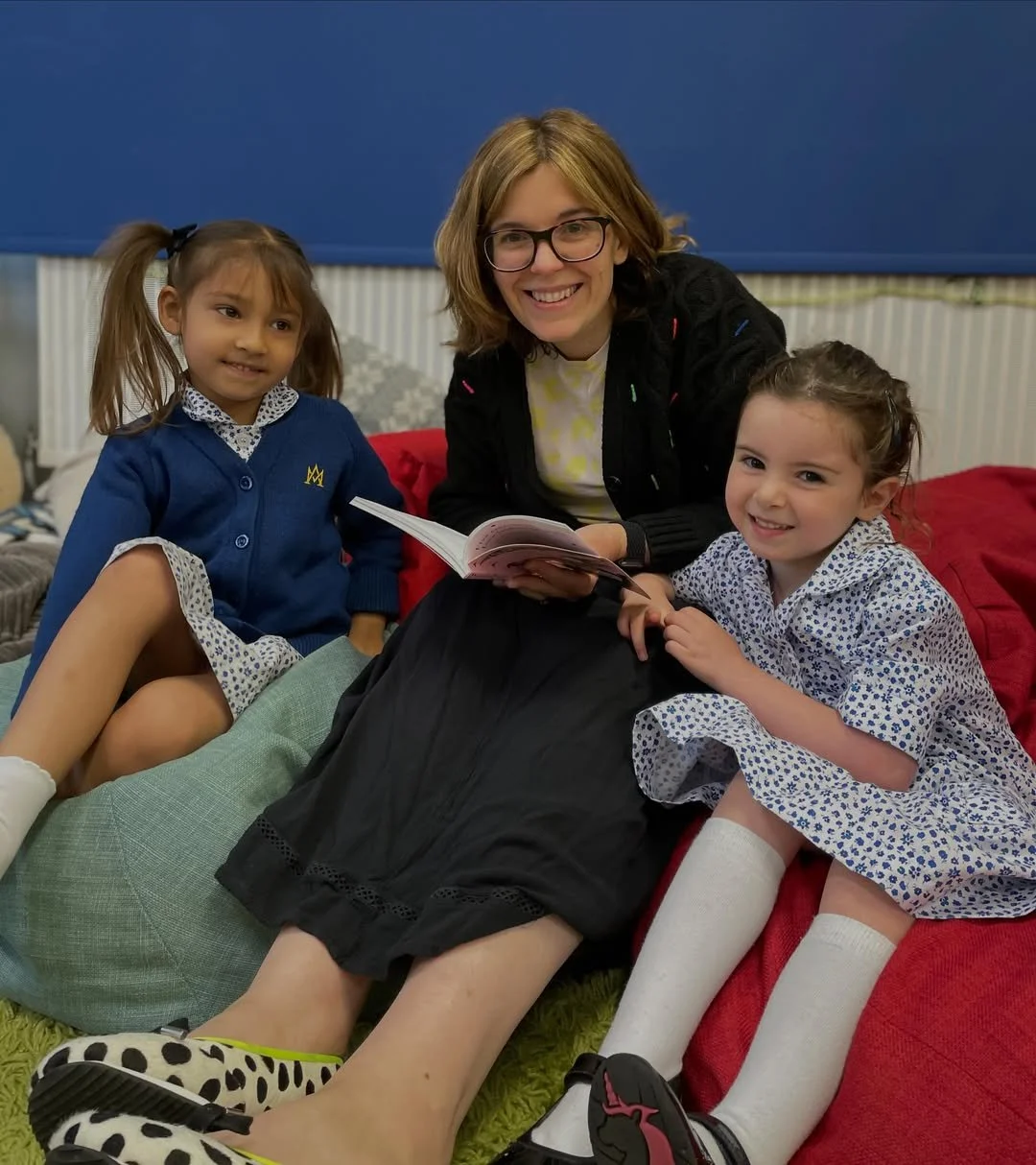
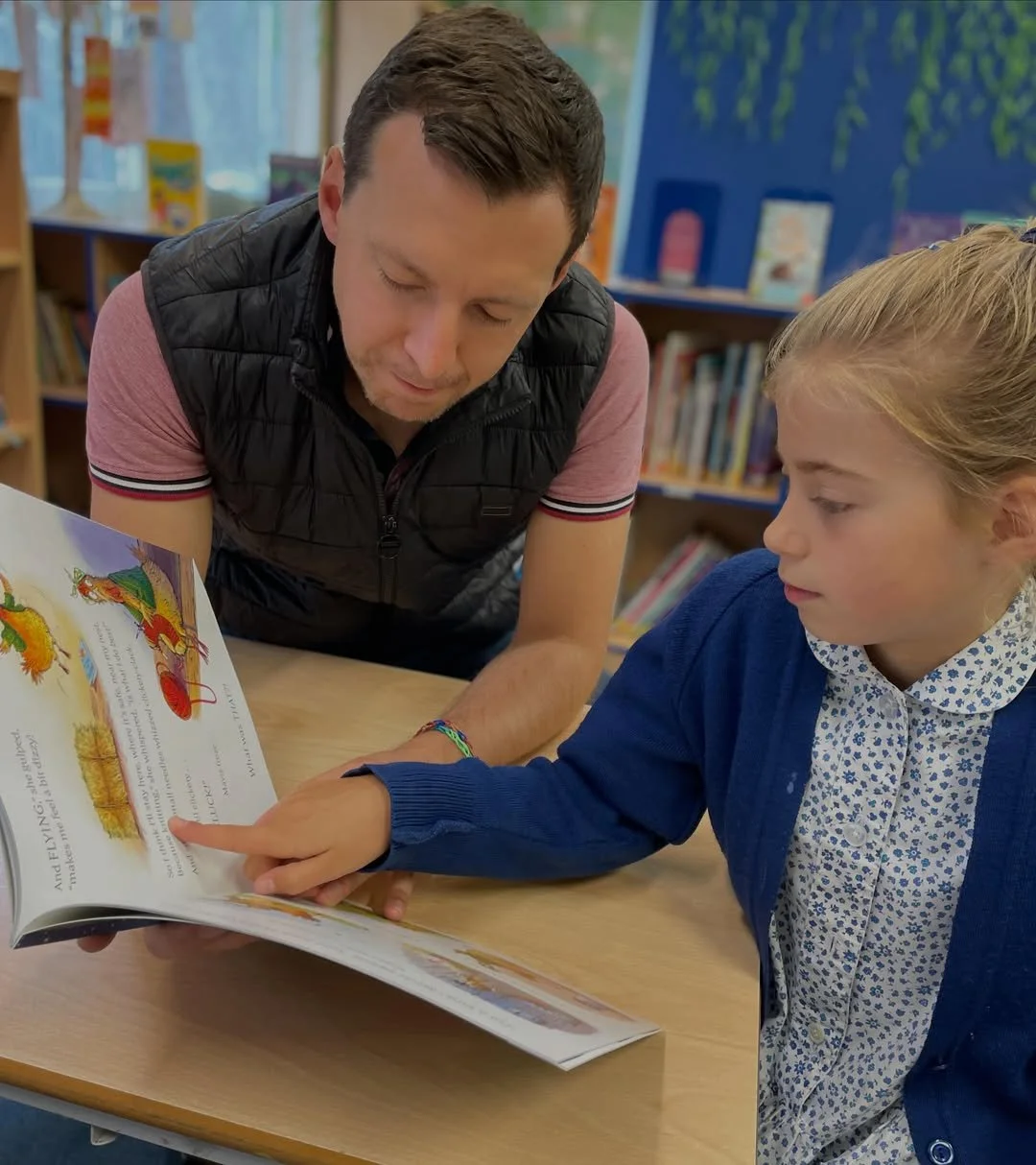
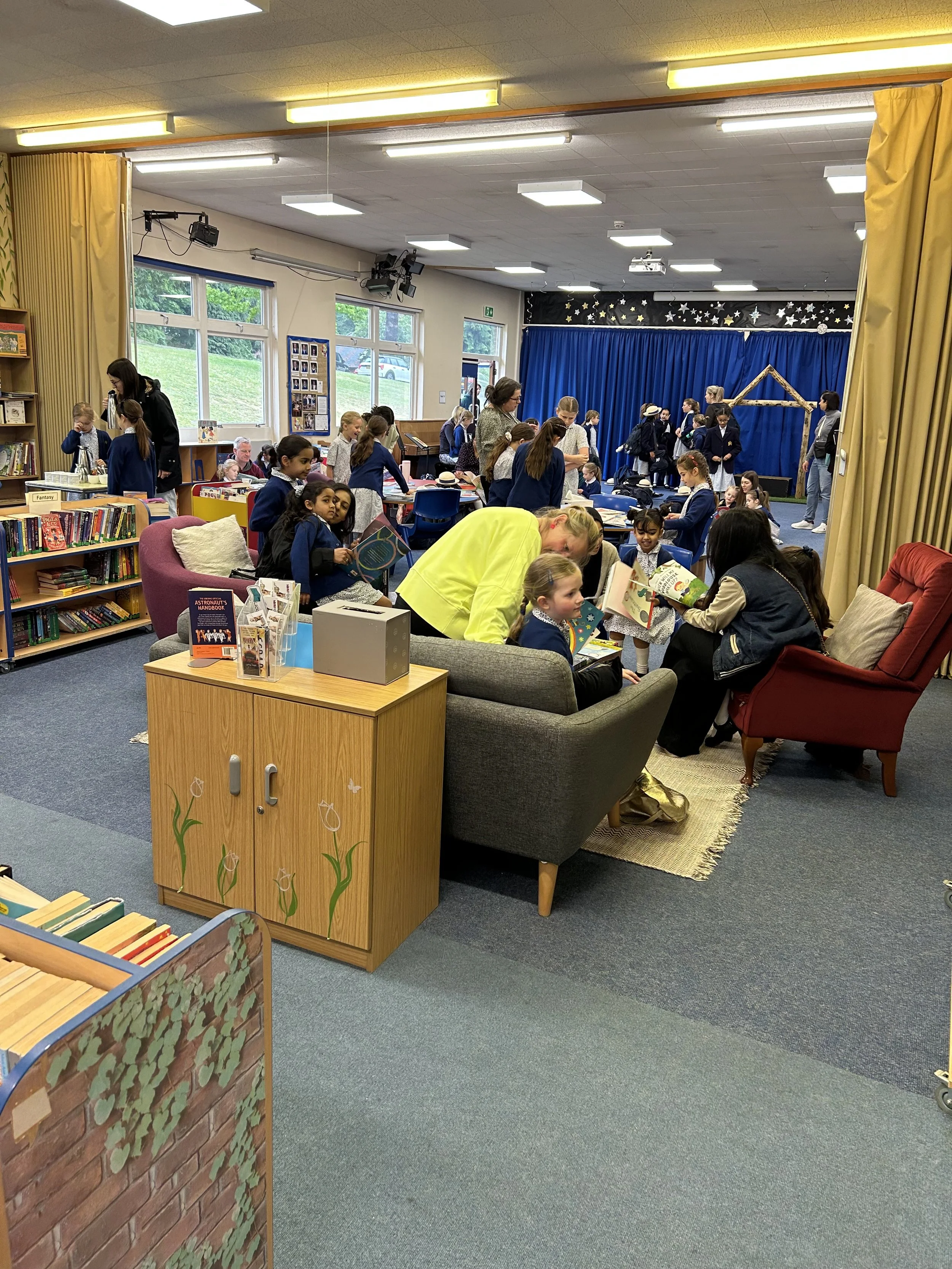
We planned a launch event for the resource pack as part of the book festival on 8 June 2026. 3 authors were booked to visit the school and run workshops and the event was well advertised by the school. As part of the day, parents were invited to attend a pop-up reading café in the library at drop off in the morning. Teasers for the pop-up café were shared via school emails and on social media. It was hoped that this time would be more accessible than the previous evening book club since parents were already on the grounds dropping their children off. The delivery of the Reading Rocks bundles provided an opportunity to increase parents knowledge of recent, good quality children’s books along with a brief introduction emphasising the proven lifelong benefits of reading for pleasure. Refreshments were provided and the atmosphere kept very informal. The well-being focus of the bundles aligned with the school’s curriculum for the term and general ethos.
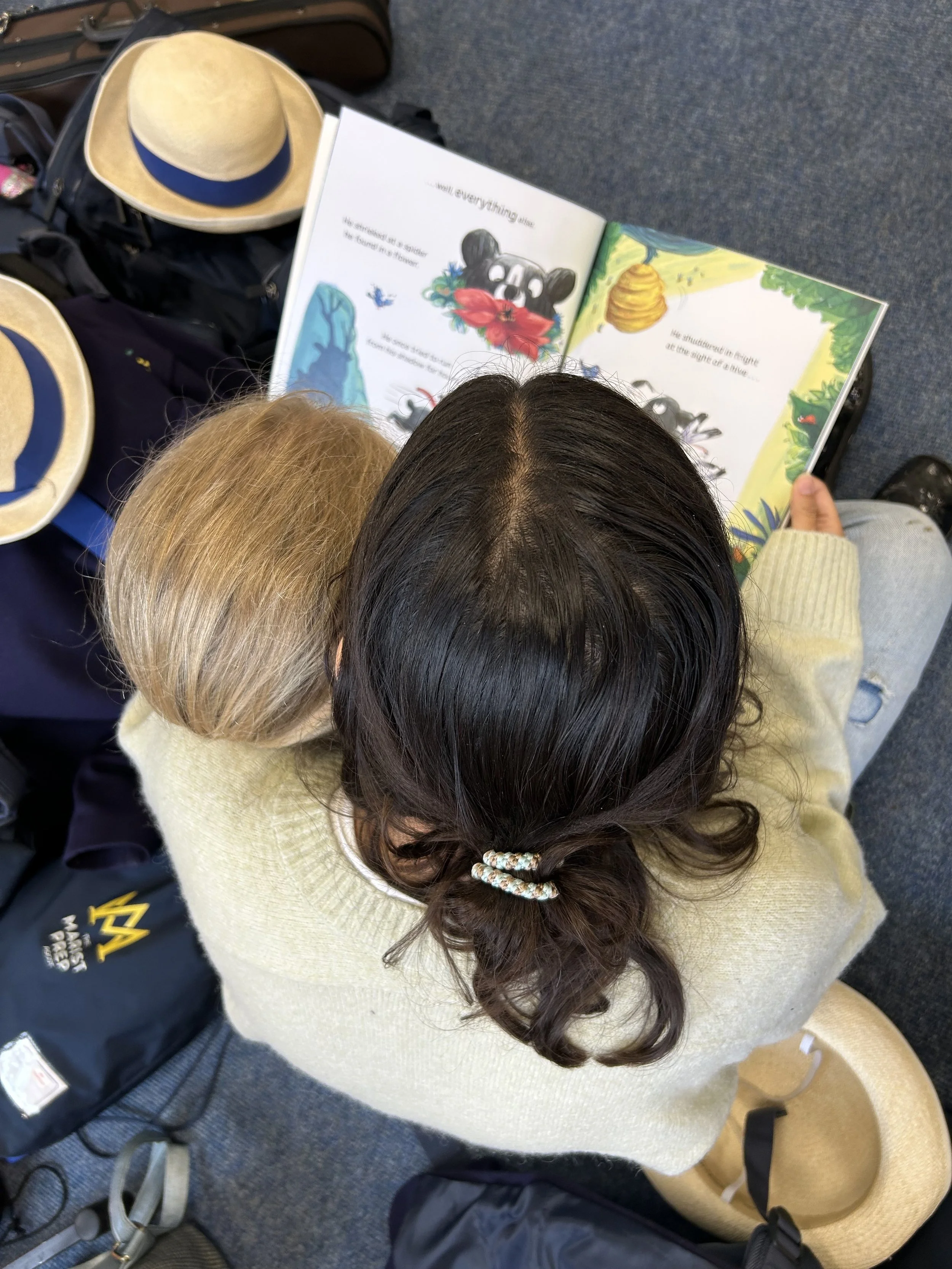
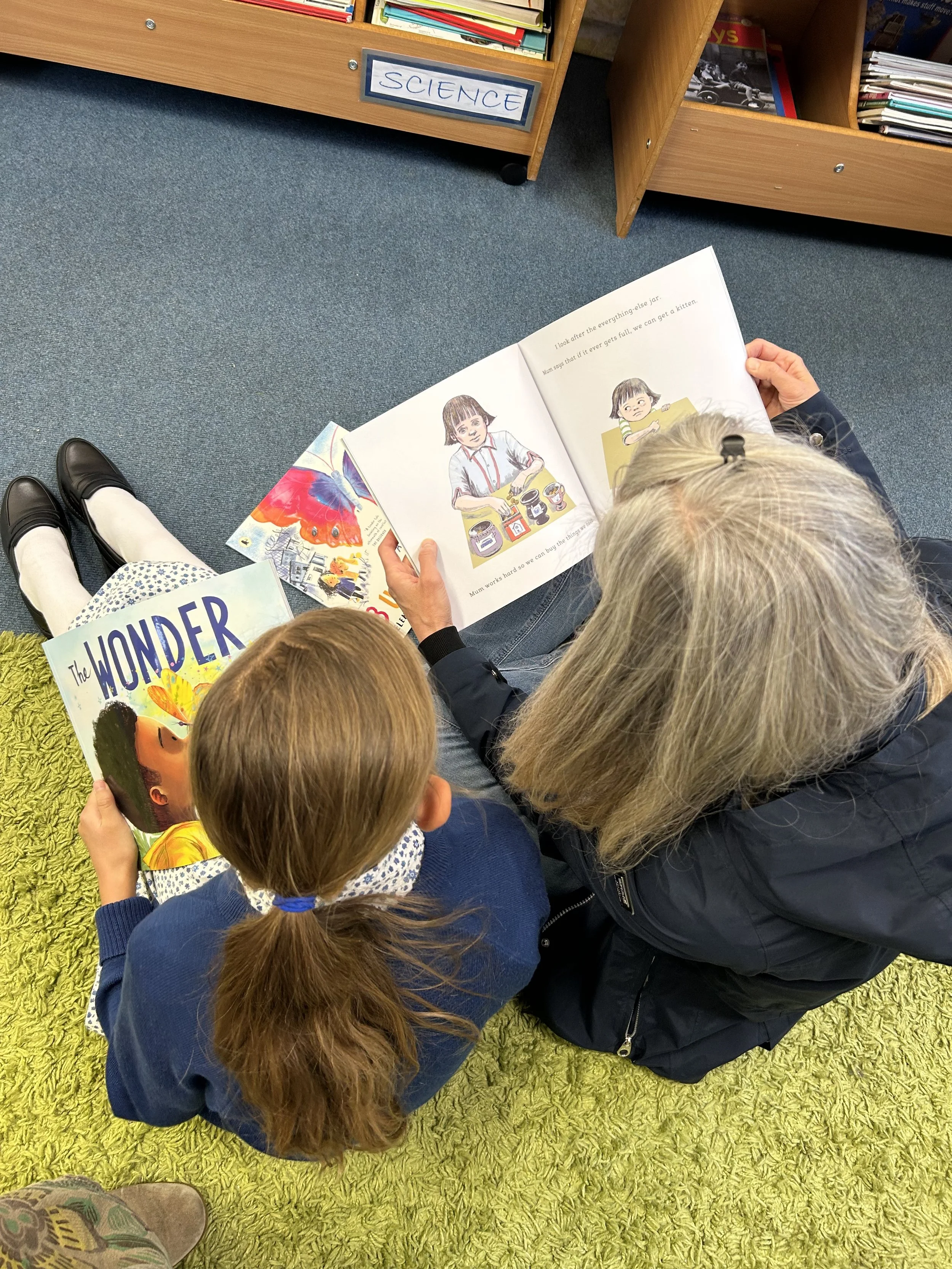
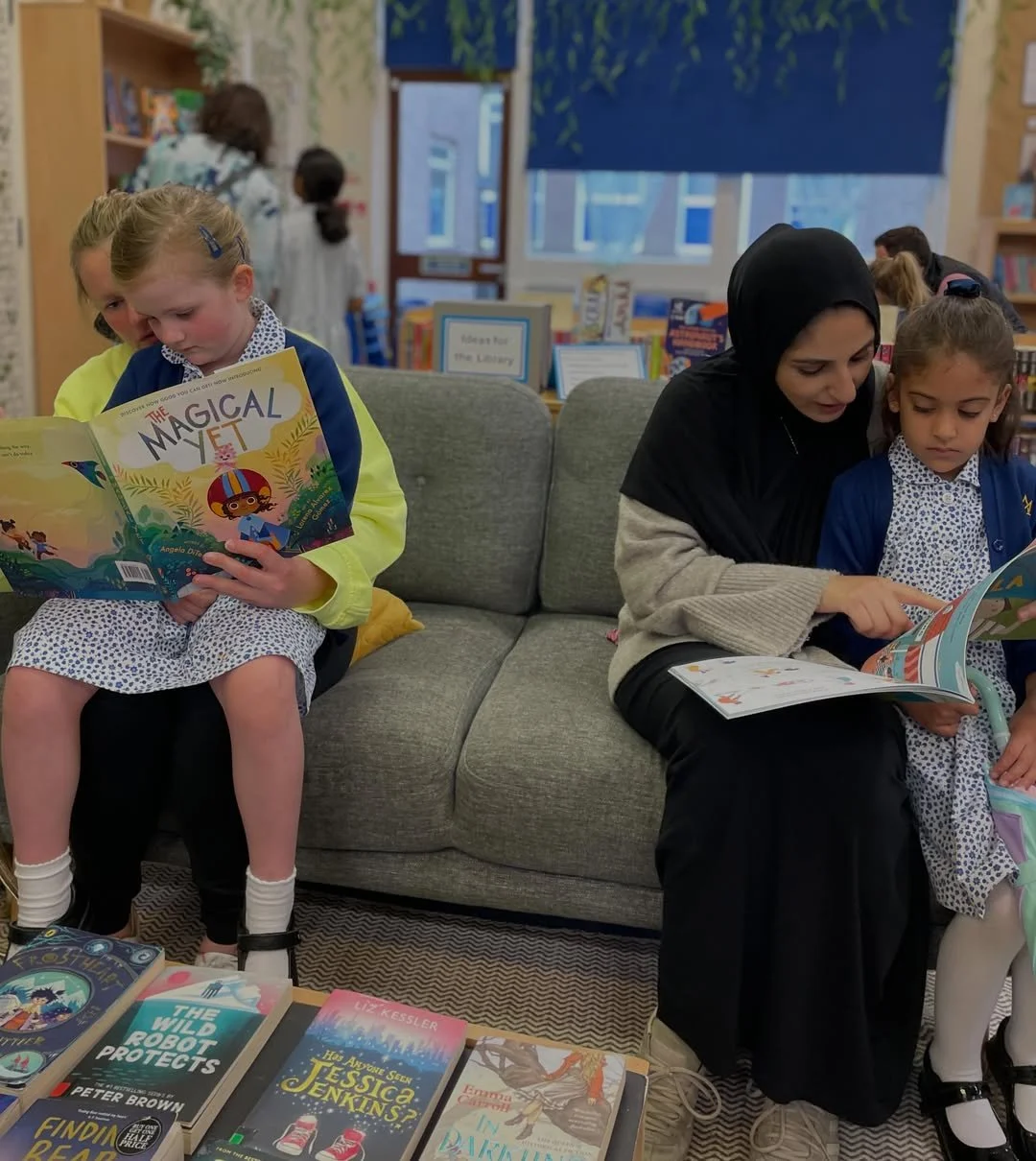
We were very nervous given the low attendance at previous parent events but we were delighted that the pop up reading café proved to be a huge hit. The library was packed and pupils were excited to read with their grown ups and explore the new books for the library. The diverse and inclusive nature of the book bundles was a particular plus for us.
Going forward, we plan to use the resources developed by Books That Help that were provided with the book bundles in classrooms to support the topic of well-being. The cross-curricular ideas are varied and easy to incorporate into existing lesson plans.
“I have used the Reading Rocks well-being bundle in state and private primary environments as a patron of reading and writer in residence. The EYFS, KS1 and KS2 bundles have been and invaluable basis for re-energising parent involvement and revitalising the library with the help of our young reading ambassadors.”
(Fiona Barker, The Marist School)