

CONSENT

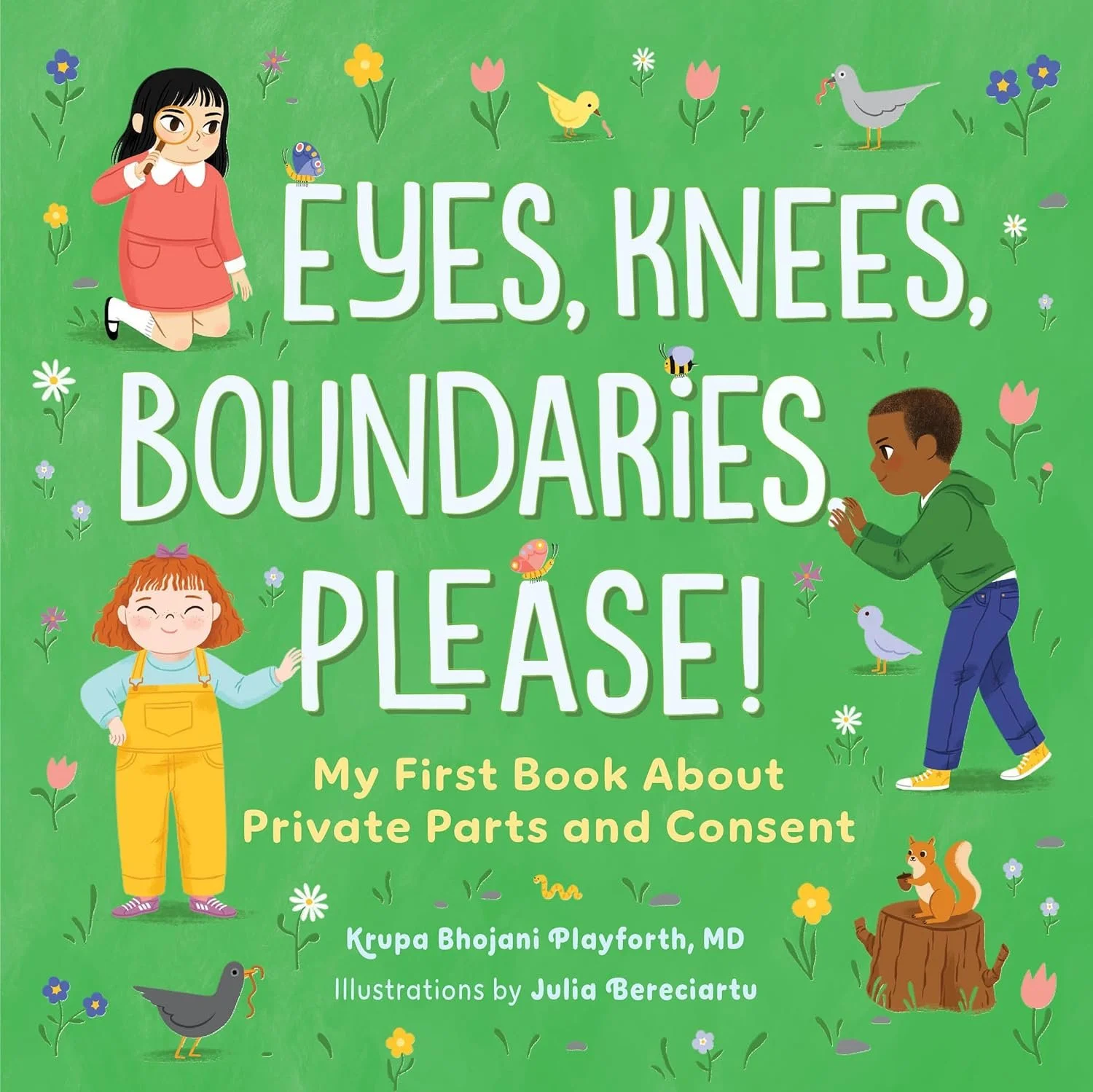
EYES, KNEES, BOUNDARIES, PLEASE! (Dr. Krupa Playforth, Julia Bereciartu)
Teach children aged 3 to 5yrs about body boundaries, private parts and consent with a positive and empowering picture book from paediatrician and bestselling author, Dr. Krupa Bhojani Playforth!
This book a great resource for introducing and teaching kids about their bodies, specifically their private parts. It explains consent and lets the reader know that they are in charge of their bodies and what that means and looks like in practice. While the book is geared toward young children (and is great for them!) it would also be good for continuing those important conversations with older readers.
Informative but light-hearted - makes body conversations easier!
(Reviewed by Charlotte Offsay of @picturebookrecommedations)
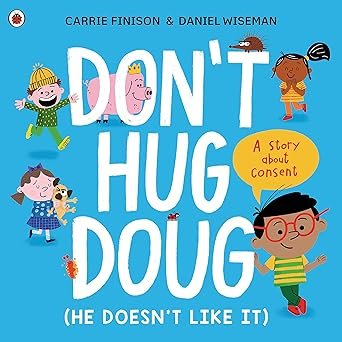
DON’T HUG DOUG! (Carrie Finsion, Daniel Wiseman)
Meet Doug. Doug doesn’t like hugs. They’re too squeezy, too squashy, too squooshy, too smooshy. But Doug does love high fives - along with low fives and side fives!
This upbeat story shows children that everyone is different: some people like hugs and some people don’t. The only way to know is to ask. With fun word play, humour and warmth, it helps children understand that it’s OK to say no and OK to prefer different kinds of affection. Respecting people’s choices is important.
A fun, accessible picture book that gently encourages conversations about consent and personal boundaries.

BRENDA’S REVENGE (Sarah Tagholm, Laurie Stansfield)
Because she’s a cat, Brenda needs help with things like getting dressed, table manners and trampolining!
Brenda is just a cat, so she isn’t good at hairstyles or getting dressed or good table manners… and her handwriting is terrible!
Brenda's Revenge (Rocket Bird, 2025) is a delightful picture book that explores themes of empathy and understanding when a young cat owner makes her kitty do things she doesn’t want to do. The girl treats her cat (Brenda) like a play thing, subjecting her to various activities like dressing up and trampolining. But when a new neighbour treats the girl in a similar way, perhaps she’ll understand how Brenda feels.
Fabulous off-beat humour and funny illustrations reinforce this book’s light-hearted cautionary tale of treating others with kindness and respect.
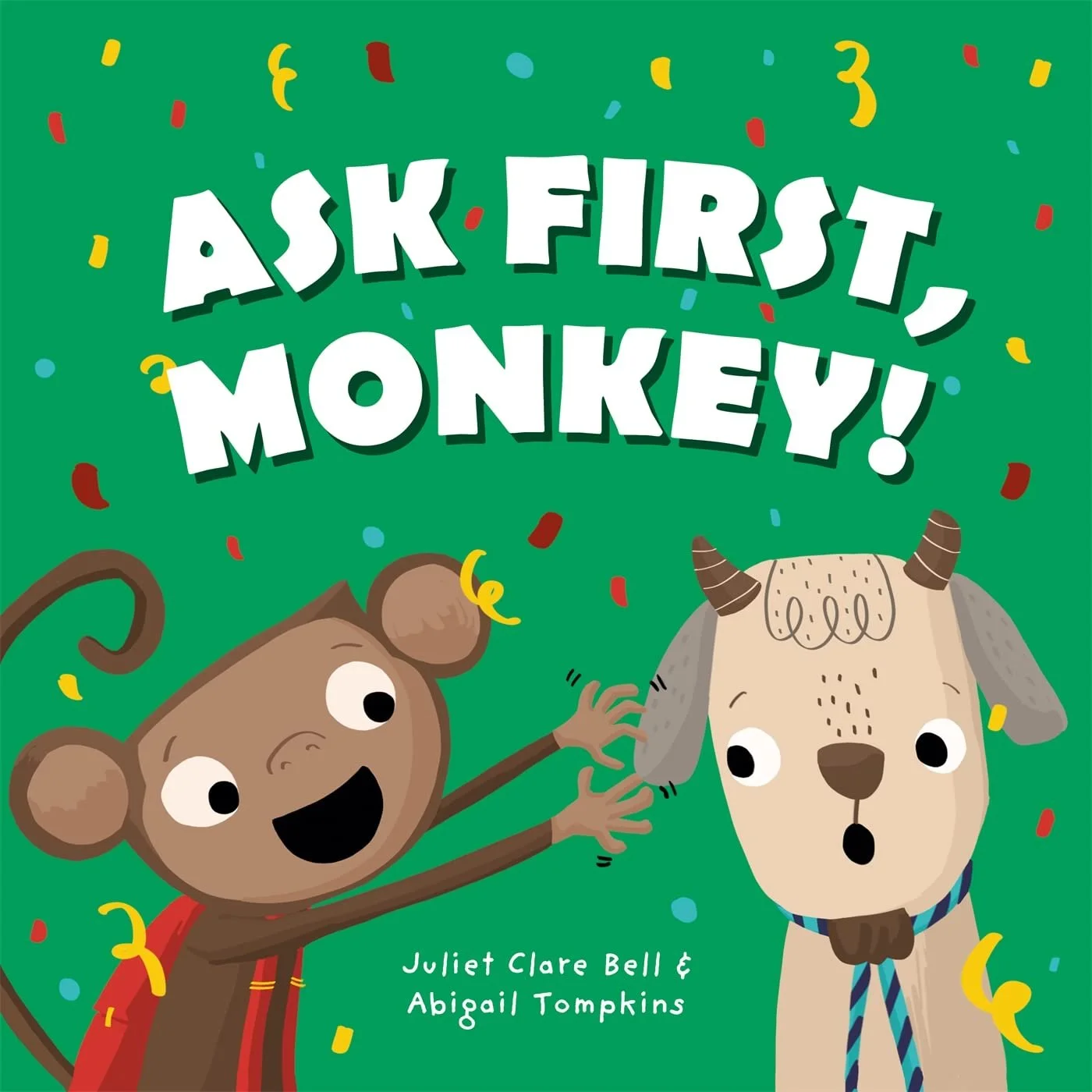
ASK FIRST MONKEY (Juliet Clare Bell, Abigail Tompkins)
Ask First, Monkey! (Jessica Kinsley, 2020) is a quietly powerful picture book that gives children language for a tricky social moment without feeling preachy.
Meet tickletastic Monkey. He's the best tickler in the world, ever; even his mum says so. And there's nothing he loves more than tickling ALL his friends at playtime! But what happens if some of his friends don't want to be tickled?
At its heart, this is a story about consent, boundaries and empathy towards others, but the playful animal characters and a situation young children instantly recognise. Monkey is enthusiastic and affectionate, but not everyone wants what Monkey wants. The bright illustrations clearly show how characters feel when their boundaries are respected, and crossed. The repeated, gentle reminder to ask first becomes both a refrain and a skill children can practise in real life. What works especially well is that the book doesn’t frame mistakes as bad behaviour - Monkey isn’t shamed for getting it wrong. Instead, he’s guided, and that makes all the difference. This models a compassionate approach that grown ups can easily mirror.
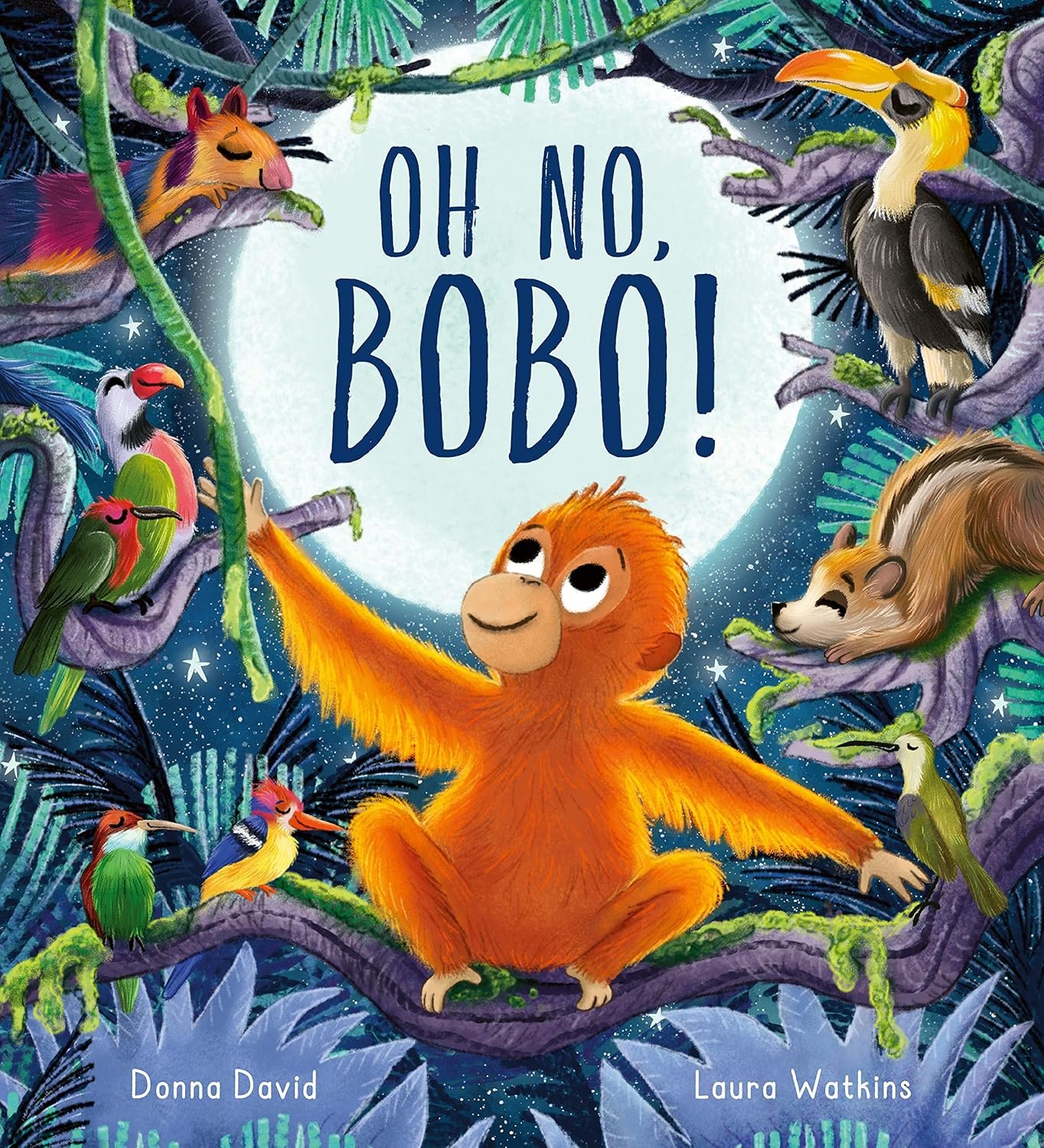
OH NO, BOBO! (Donna David, Laura Watkins)
Oh No, Bobo! (Quarto, 2020) is a gentle, reassuring picture book that explores personal space and permission in a way that young children can easily understand and relate to.
Bobo the orangutan is tired and just wants a good night’s sleep - but his well-meaning attempts to solve his problem lead him to crossing others’ boundaries. When the roles are reversed and Bobo’s own space is invaded, he realises the error of his ways. ;earning it’s OK to say ‘no’ and just as important to listen when someone else does.
Feelings are clearly shown, allowing children to recognise discomfort, frustration and sadness through the expression and body language. The soft, engaging illustrations and simple narrative make this an accessible read for younger children, while the ‘Next Steps’ page at the back provides helpful guidance for extending the conversation.